what is food aversion in pregnancy 8 most common pregnancy food aversions, according to experts
Pregnancy is a magical time in a woman’s life, but it can also come with its unique set of challenges. One of the most common issues that pregnant women face is food aversions. In fact, eight out of ten pregnant women experience food aversions at some point during their pregnancy. Fortunately, there are ways to deal with this uncomfortable symptom and ensure that both you and your growing baby get the proper nutrition you need. Food aversions during pregnancy can vary from woman to woman, but some of the most common ones include meat, dairy, coffee, and spicy or strongly flavored foods. While it can be frustrating to suddenly have an aversion to a food you once loved, it’s essential to respect your body’s signals and avoid the foods that make you feel ill or uncomfortable. One way to deal with food aversions is to try and find alternative sources of the nutrients you need. For example, if you are averse to meat, you can try to get your protein from plant-based sources like lentils, beans, and tofu. Similarly, if you can’t stomach dairy, you can try calcium-fortified juices or almond or soy milk. Another way to cope with food aversions is to experiment with different cooking methods. Sometimes, it’s not the food itself that is unappetizing, but the way it’s prepared. For example, if you’re averse to the texture of cooked vegetables, try incorporating them into a smoothie or soup. It’s also important to listen to your body’s cravings during pregnancy. While it’s important to avoid foods that make you feel ill, it’s also essential to ensure that you’re getting enough calories and nutrients. If you’re craving something that you normally wouldn’t eat, it’s okay to indulge in moderation. In addition to these strategies, there are some general tips to keep in mind when dealing with food aversions during pregnancy. First, try to eat small, frequent meals throughout the day instead of three large ones. This can help prevent nausea and ensure that you’re getting enough nutrients. Second, avoid eating foods that are high in fat or sugar, as these can exacerbate nausea and feelings of discomfort. Finally, stay hydrated by drinking plenty of water and other fluids throughout the day. In conclusion, food aversions during pregnancy are common and can be challenging, but there are ways to deal with them. By finding alternative sources of nutrients, experimenting with different cooking methods, listening to your body’s cravings, and following some general tips, you can ensure that both you and your growing baby are getting the proper nutrition you need. Remember, pregnancy is a time to take care of yourself, so don’t hesitate to reach out to your healthcare provider if you’re experiencing persistent or severe food aversions.
If you are looking for Why You have Food Aversions during Pregnancy and How to Deal with It you’ve visit to the right web. We have 5 Pics about Why You have Food Aversions during Pregnancy and How to Deal with It like Why You have Food Aversions during Pregnancy and How to Deal with It, Pin on Pregnancy ccrraavviinnggss!! and also 8 Most Common Pregnancy Food Aversions, According to Experts. Here you go:
Why You Have Food Aversions During Pregnancy And How To Deal With It
 www.top10homeremedies.comaversions smells strong
8 Most Common Pregnancy Food Aversions, According To Experts
 www.romper.compregnancy popov andrey
8 Most Common Pregnancy Food Aversions, According To Experts
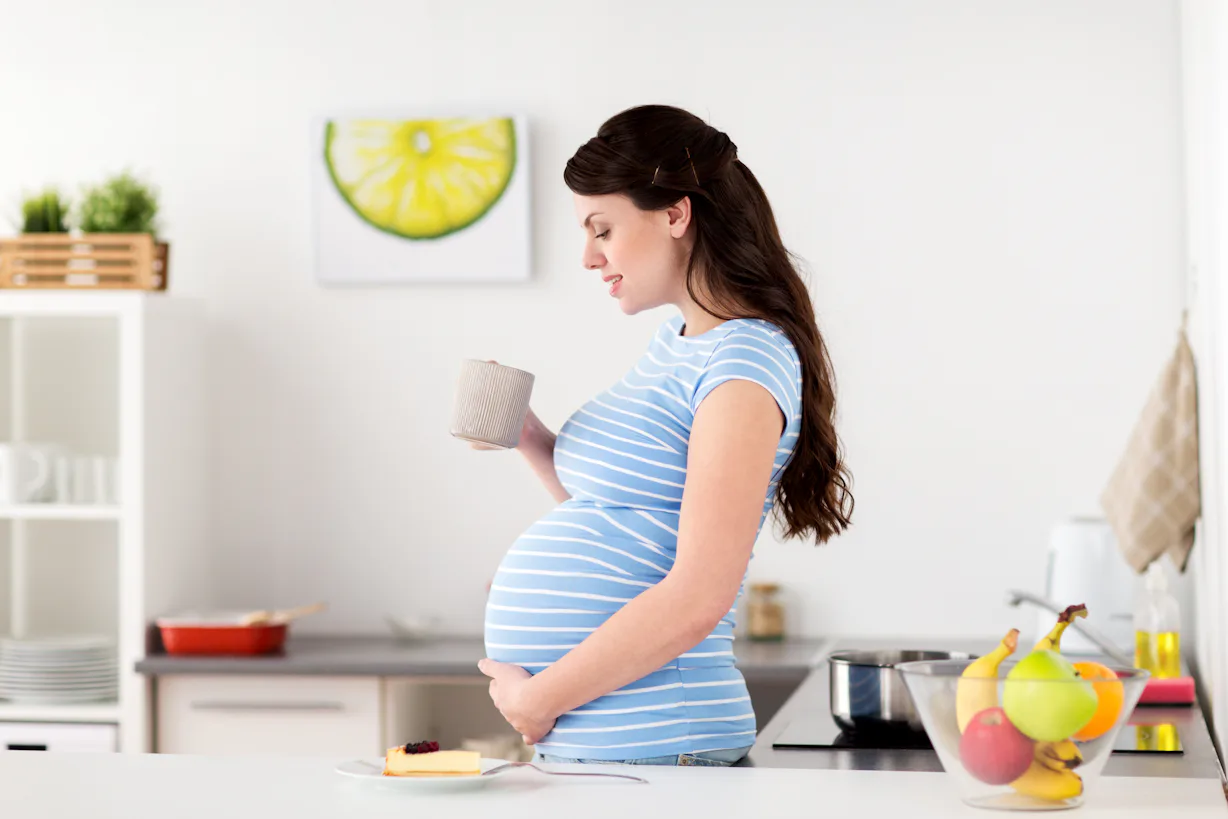 www.romper.comhamil minum kopi ibu pregnancy dulu risikonya manfaat ketahui damda
Pin On Pregnancy Ccrraavviinnggss!!
 www.pinterest.comaversions cravings nausea remedies
Food Aversion In Pregnancy: Causes, Common Aversions, And Coping
 www.healthline.compregnancy aversions food common pregnant during aversion
Why you have food aversions during pregnancy and how to deal with it. Aversions cravings nausea remedies. Aversions smells strong