does protein increase insulin 34. insulin – greek.doctor
Insulin is a hormone that plays a crucial role in controlling blood sugar levels in the body. It is synthesized and secreted by specialized cells in the pancreas called beta cells. The release of insulin is tightly regulated and is stimulated by the presence of glucose in the bloodstream. The mechanism of insulin secretion is complex and involves multiple steps. When glucose enters the beta cells, it is metabolized to generate ATP, which stands for adenosine triphosphate. ATP is a type of molecule that stores and releases energy in cells. The increase in ATP levels triggers a series of events that lead to the release of insulin. The process of insulin secretion is biphasic, which means that there are two distinct phases of insulin release. The first phase occurs rapidly and is usually completed within a few minutes after the start of glucose stimulation. This phase is thought to be due to the release of preformed insulin that is stored in secretory granules within the beta cells. The second phase of insulin release occurs at a slower rate and can last for several hours. This phase is thought to be due to the synthesis and secretion of new insulin by the beta cells. Insulin secretion is also regulated by various other factors such as amino acids, fatty acids, and hormones. In addition to its role in regulating blood sugar levels, insulin also has many other effects on the body. It promotes the uptake and utilization of glucose by muscle and fat cells, increases protein synthesis and storage, and inhibits the breakdown of glycogen in the liver. Furthermore, insulin plays an important role in the regulation of fat metabolism. It helps to promote the storage of excess glucose in fat cells as triglycerides, which can be used as an energy source in times of need. Insulin also inhibits the breakdown of fats in fat cells, which helps to prevent the release of fatty acids into the bloodstream. In summary, the mechanism of insulin secretion is a complex process that is regulated by multiple factors. The biphasic release of insulin is thought to be due to the release of preformed insulin in the first phase and the synthesis and secretion of new insulin in the second phase. Insulin has many important effects on the body and plays a critical role in regulating blood sugar levels and fat metabolism.
If you are looking for How to Increase Insulin Sensitivity you’ve visit to the right place. We have 5 Images about How to Increase Insulin Sensitivity like 34. Insulin – greek.doctor, Insulin does not increase muscle growth and also High cost and rising insulin prices affect the neediest in our community. Here you go:
How To Increase Insulin Sensitivity
 www.hyperbaricmedicalsolutions.comincrease insulin sensitivity rpa stratos mary
- Insulin – Greek.doctor
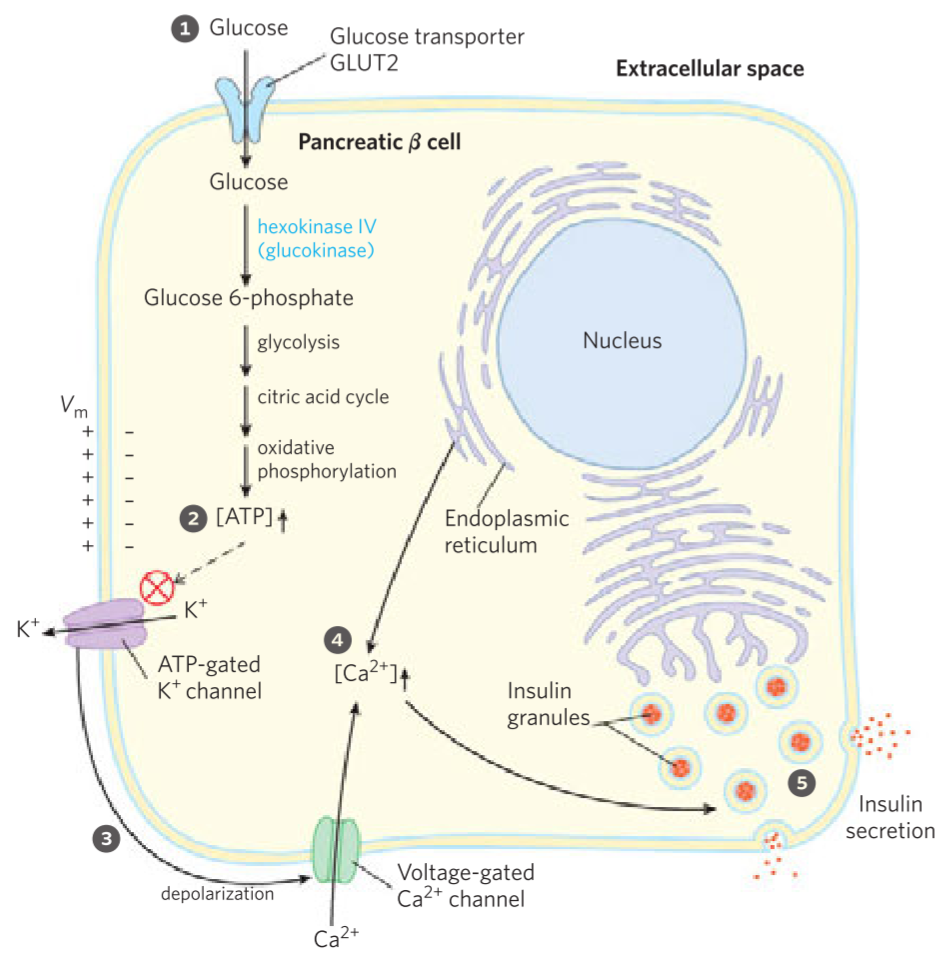 greek.doctorinsulin cell greek doctor releases
Insulin Does Not Increase Muscle Growth
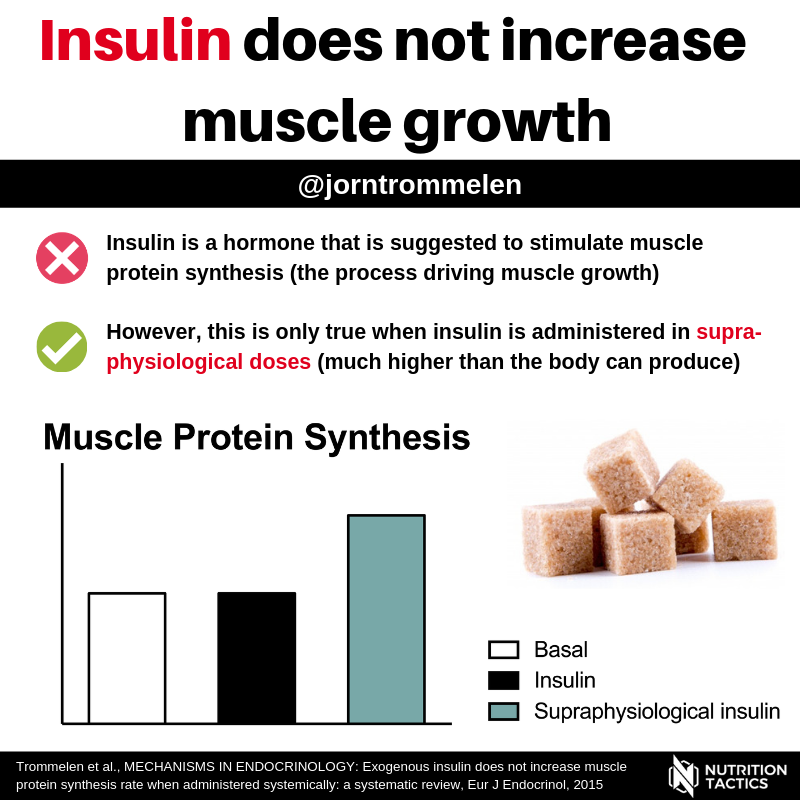 www.nutritiontactics.cominsulin growth muscle increase does
Mechanism Of Biphasic Glucose-stimulated Insulin Secretion. Glucose
 www.researchgate.netinsulin glucose mechanism secretion biphasic stimulated glut2 glut1 enters transporters calcium metabolism atp glycolysis dependent
High Cost And Rising Insulin Prices Affect The Neediest In Our Community
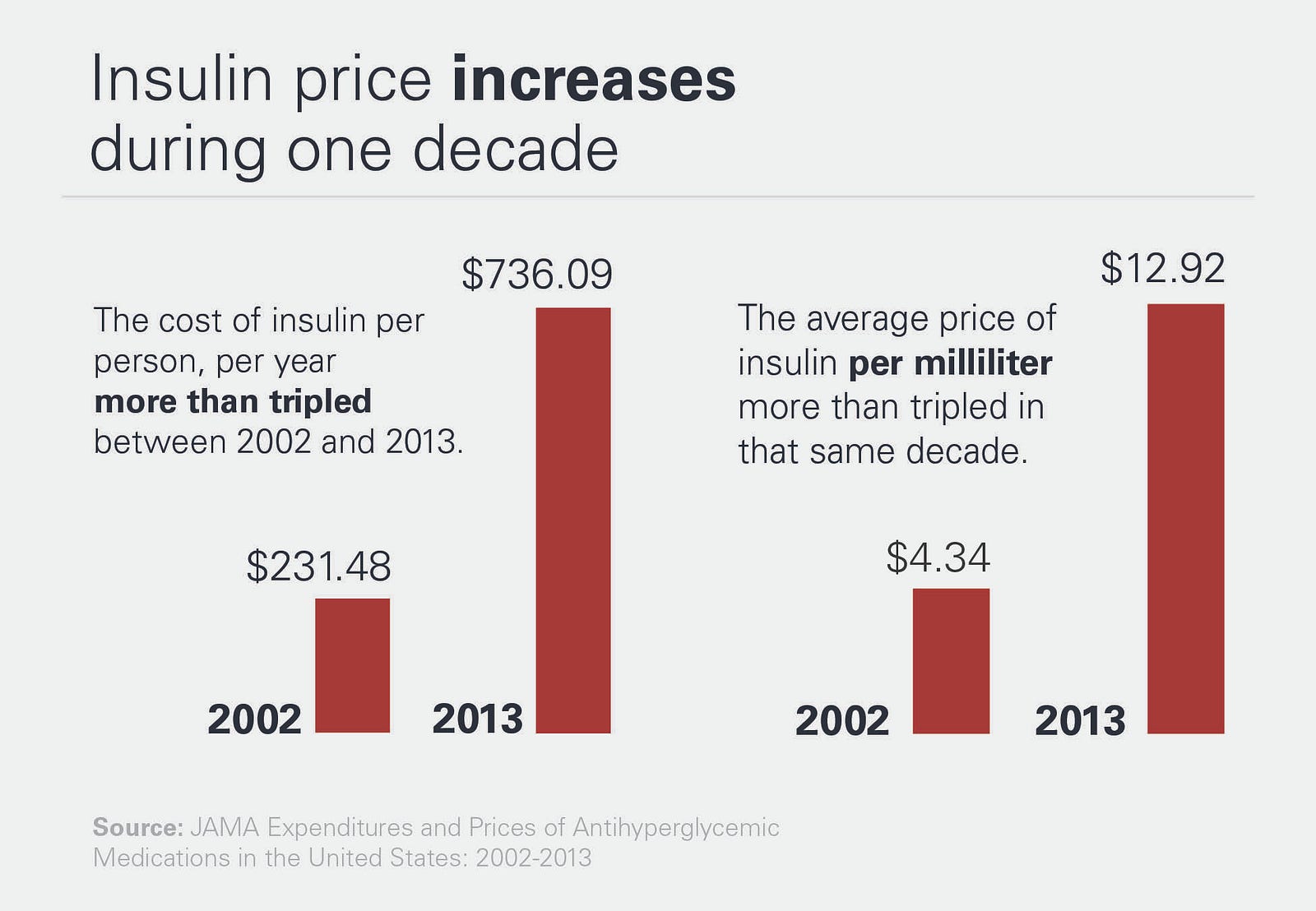 medium.cominsulin cost prices rising high affect neediest community medium credit
34. insulin – greek.doctor. Insulin cost prices rising high affect neediest community medium credit. High cost and rising insulin prices affect the neediest in our community